Introduction
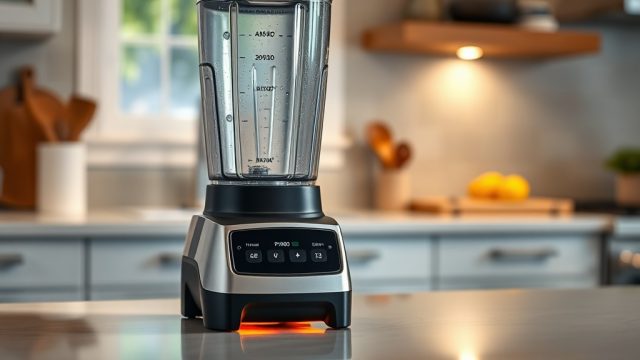
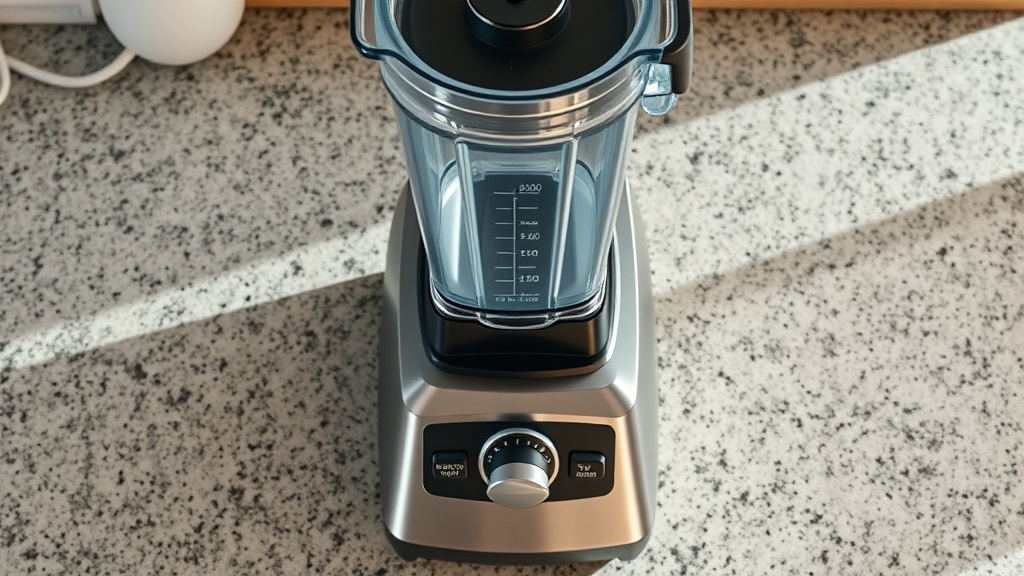
The Vitamix A3500 is a high-performance blender celebrated for its robust motor and variable speed control. However, even this premium appliance can experience motor overheating, especially during heavy or prolonged blending sessions. This article delves into the most common causes of motor overheating in the Vitamix A3500 and provides step-by-step fixes to get your blender back to peak performance.
1. Why Does My Vitamix A3500 Motor Overheat After 3–5 Minutes of Blending?
The most frequent cause of motor overheating is thermal overload. The Vitamix A3500’s motor is equipped with a thermal protection switch that automatically shuts off power when internal temperatures exceed a safe threshold (typically around 95°C/203°F). This usually occurs after blending thick, dry mixtures—like nut butters or frozen fruit sorbets—for more than 3–5 minutes without a break.
Fix: Let the blender rest for at least 15–20 minutes. During this time, the motor cools down and the thermal switch resets. Use the pulse feature (brief bursts) instead of continuous high-speed runs to reduce heat buildup. For very thick blends, add a small amount of liquid (like almond milk or water) to improve circulation.
2. Is a Blocked Air Intake Causing the Overheating?
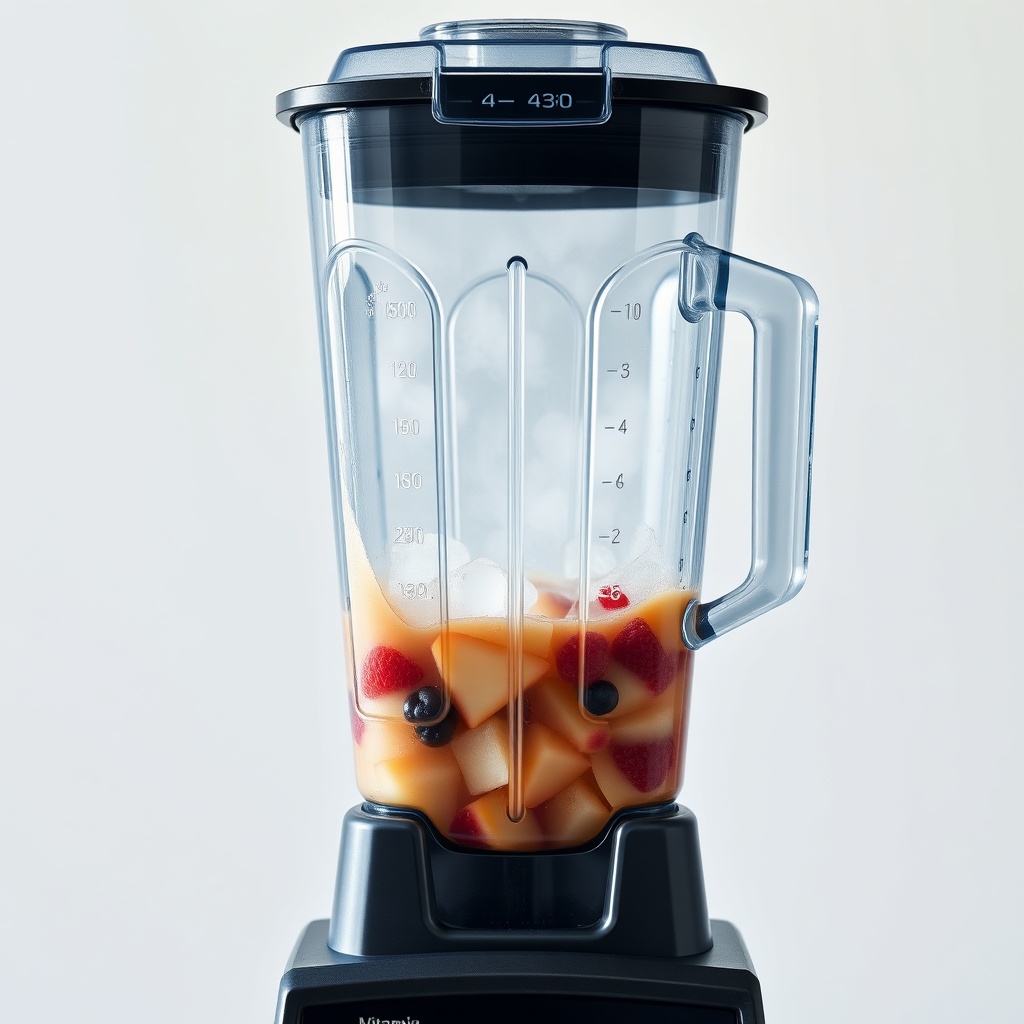
Yes. The Vitamix A3500 draws cooling air in through vents on the base and exhausts it from the rear. If these vents are obstructed (e.g., by a towel, cabinet wall, or splattered batter), airflow is restricted, causing the motor to overheat rapidly even during normal operation.
Fix: Unplug the blender and inspect the base vents. Use a soft brush or compressed air to clear dust, food debris, or grease from the intake and exhaust grilles. Ensure at least 4 inches (10 cm) of clearance around the blender on all sides when in use. For persistent blockages, remove the base cover (see link below) and clean the fan blade area carefully.
For a complete guide on cleaning and maintenance, see our Vitamix A3500 Specs Review: Motor Power, Jar Capacity, and Programmability article.
3. Could a Faulty Thermal Protection Switch Be the Problem?
A stuck or failing thermal protection switch can cause the motor to overheat quickly or fail to shut off at all. This component is designed to trip at a specific temperature; if it’s corroded or physically damaged, it may remain closed (allowing continuous operation until permanent damage) or remain open (preventing the motor from starting).
Fix: This repair requires disassembly. Unplug the blender and remove the base plate (usually four screws). Locate the small, round thermal switch (often a disc shape with two leads) soldered onto the motor winding or in series with the power cord. Use a multimeter to test continuity: at room temperature, the switch should show near-zero ohms. If it shows infinite resistance, replace it with an exact match (Vitamix part number 31-0085 or equivalent). Do not bypass this safety device—doing so risks a fire hazard. For professional service, contact Vitamix support.
4. Does Using the Wrong Container Cause Motor Overheating?
Absolutely. The Vitamix A3500 is designed to work with specific container sizes (48 oz. or 64 oz.) and the proprietary “Self-Detect” blade system. Using a non-Vitamix jar or one that is too small (e.g., a 20 oz. cup without the proper adapter) can disrupt the blender’s load sensing. This forces the motor to run harder to reach the programmed speeds, generating excess heat.
Fix: Only use Vitamix containers that are clearly marked “Self-Detect” and compatible with the A3500. If you’re using a personal cup adapter, ensure it is fully seated and the magnetic ring is clean. For heavy blending, stick to the standard 64 oz. container, which offers the best heat dissipation. See the specifications table below for compatible jar options.
| Jar Type | Capacity | Material | Overheating Risk | Suggested Use |
|---|---|---|---|---|
| Standard Self-Detect | 64 oz. | BPA-free Tritan™ | Low | Daily smoothies, soups, frozen desserts |
| Tall Self-Detect | 48 oz. | BPA-free Tritan™ | Low | Single-serve blends, nut butters |
| Personal Cup Adapter | 20 oz. | Tritan™ (cup only) | Medium | Small drinks – use pulse mode only |
| Stainless Steel | 64 oz. | 304 Stainless | Low | Hot soups, hot sauce – requires heat shield |
| Generic or Old Model Jar | Various | Various | High | Not recommended – can cause thermal shutdown |
5. What If the Motor Runs but the Blades Don’t Spin?
If the motor hums loudly but the blades remain stationary, the coupling (the white plastic spline connecting the motor shaft to the jar drive spline) may be stripped or broken. This causes the motor to spin freely without load, generating heat with no actual blending. Another possibility is a seized bearing in the jar base—the motor tries to turn but can’t overcome the resistance, leading to rapid overheating.
Fix: Disconnect the blender and check the drive socket on the blender base. If the splines are worn smooth, replace the drive socket (Vitamix part number 200-001-127). Inspect the jar’s drive spline for cracks or wear. For a seized bearing, remove the jar blade assembly (use a wrench if needed) and check for metal shavings or grinding. Lubrication isn’t possible—replace the entire blade assembly. Always check the Vitamix A3500 Specs Review for torque specifications before disassembly.
6. Are Electrical Problems Like a Damaged Cord or Control Board the Culprit?
Yes, though less common. A frayed power cord can cause intermittent resistance heating, especially near the plug. A faulty main control board may send incorrect voltage to the motor, causing it to run at high speed without input from the dial. A bad speed sensor can also trick the motor into overheating by not allowing proper duty cycle management.
Fix: Visually inspect the full length of the power cord for cuts, melted insulation, or discoloration. If damaged, replace the cord set (Vitamix part number 200-001-125). For suspected control board issues, perform a self-test: hold the “Speed” button while plugging the blender in; if the motor starts instantly at full speed, the board is likely faulty. Replacement boards cost around £80 (approx. $100 USD / €95) and require careful soldering. Contact Vitamix warranty service first—most A3500 units are covered for up to 10 years.
What Owners Say About Motor Overheating
Owners of the Vitamix A3500 generally praise its power but note the overheating issue as a minor frustration. On popular kitchen forums like Reddit’s r/Vitamix and ApplianceMaster user reviews, the most common feedback includes:
- “The thermal cutoff is too sensitive for nut butters.” Many users report having to stop mid-process to let the motor cool before finishing thick blends. Solution: pulse in 30-second bursts.
- “Cleaning the vents solved my random overheating.” Several owners noticed that after a month of daily use, the base vents got clogged with flour and smoothie splashes. A quick blow-out restored normal operation.
- “It overheats more with the personal cup adapter.” This aligns with our findings—the smaller jar reduces airflow and load tolerance. Owners recommend using the 64 oz. jar for heavy work.
- “The automatic shutoff saved my motor.” While annoying, the thermal protection feature is praised for preventing permanent damage. Most users appreciate that the blender still works fine after cooling.
For a deeper dive into owner experiences and long-term performance, read our full Vitamix A3500 Specs Review: Motor Power, Jar Capacity, and Programmability.
Frequently Asked Questions
Q1: How long does the Vitamix A3500 take to cool down after overheating?
Typically 15–30 minutes. The thermal protection switch resets once the motor temperature drops below about 75°C. In a well-ventilated area, the blender will be ready to use in under 20 minutes.
Q2: Can I use the Vitamix A3500 for more than 5 minutes continuously?
Yes, but only for lighter loads (e.g., thin soups or juice). For thick blends, the duty cycle is 3–5 minutes maximum. Allow equal rest time between runs. For heavy-duty blending, use the “Hot Soup” setting which manages speed to prevent overheating.
Q3: Will motor overheating void my warranty?
No, if it’s caused by normal use. The Vitamix A3500 warranty covers motor and thermal shut-off defects for up to 10 years. However, damage from using non-authorized containers or obstructing vents may void coverage. Check your specific warranty terms.
Q4: What is the approximate cost to repair a burned-out motor?
Out-of-warranty motor replacement typically costs between £120 and £180 (approx. $150–$230 USD / €140–€210) including labor. Vitamix offers a flat-rate repair service for about £150. This is often more economical than buying a new blender.
Q5: How can I prevent overheating when making nut butter?
Use the tamper to push ingredients into the blades, add 1–2 tablespoons of coconut oil or almond butter to reduce friction, and blend in 30–60 second bursts with 2-minute rests. Also, ensure the jar is tightly sealed to prevent air pockets.
Q6: Does the Vitamix A3500’s built-in timer help prevent overheating?
Indirectly, yes. The timer alerts you to how long the blender has been running, prompting you to take breaks. It does not automatically shut off, so you must monitor the time manually. Use it as a reminder to implement duty cycle limits.