Introduction
When the lid on a KitchenAid Artisan 5 Quart stand mixer refuses to lock, it can turn a simple mixing session into a frustrating puzzle. This article dives into the most common reasons for a non-locking lid, offering clear, step-by-step fixes you can try at home. Understanding the locking mechanism is key to restoring normal operation and avoiding unnecessary repairs.
The Artisan 5 Quart’s tilt-head design relies on a spring-loaded latch that engages with a notch on the bowl. If that latch doesn’t catch, the bowl may wobble or even detach during mixing. Below, we cover six distinct issues and their solutions.
Why Won’t the Lid Lock on My KitchenAid Artisan 5 Quart?
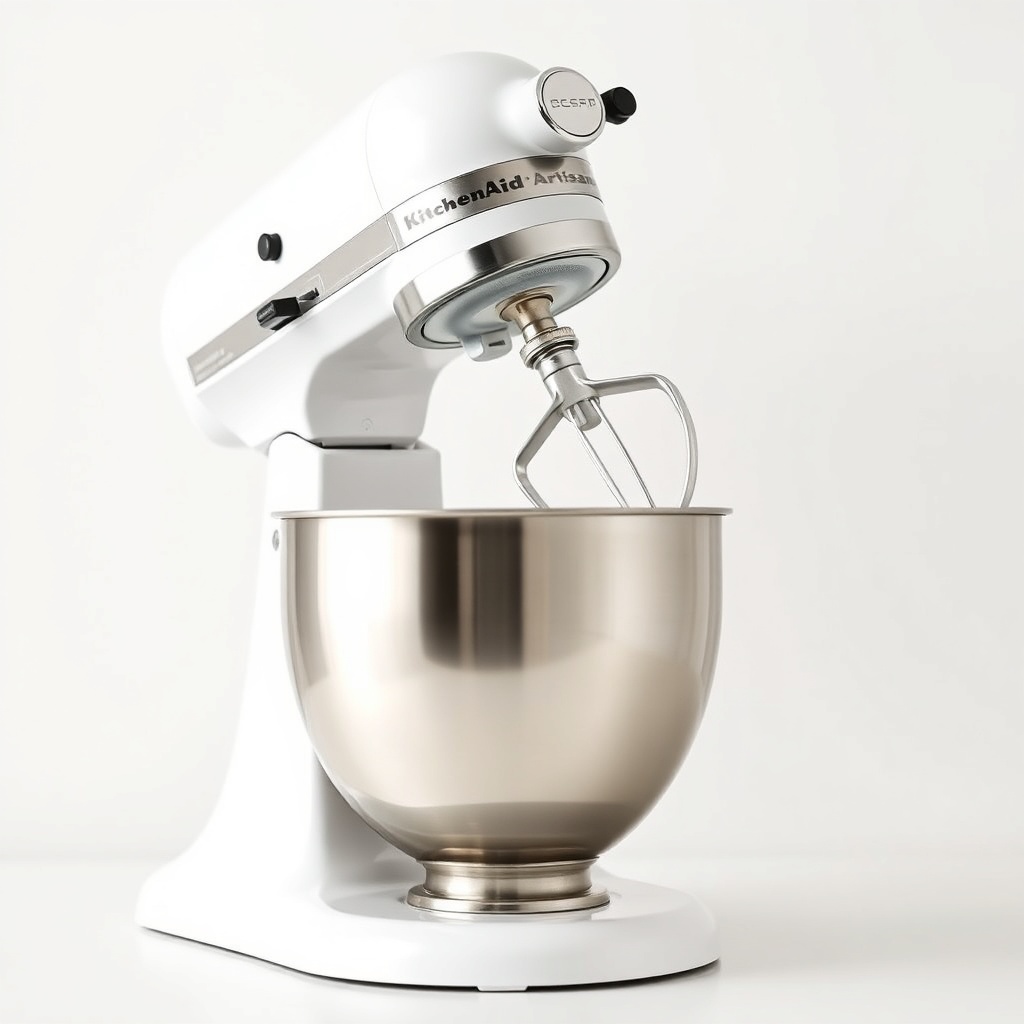
The most straightforward reason a lid won’t lock is that the locking lever isn’t fully engaging. This usually happens because the bowl isn’t seated correctly. The Artisan’s bowl has a small tab that must align with the base’s locking pin. If the bowl is slightly rotated, the pin can’t enter the slot. Try removing the bowl, aligning the tab with the notch, and pressing it firmly downward until it clicks. Then, tilt the head down and push the locking lever fully forward. If it still doesn’t catch, inspect the bowl’s locking notch for burrs or metal shavings. Use a fine file to smooth any rough edges.
- Check bowl alignment: Ensure the tab is fully inserted into the notch.
- Inspect the locking lever for debris or damage.
- Lubricate the lever pivot point with food-grade silicone spray if it feels stiff.
How to Check and Adjust the Bowl Locking Mechanism
The bowl locking mechanism consists of a metal spring, a plastic or metal latch, and a release button. Over time, the spring can weaken or break. To test: with the mixer off, lift the head and try to engage the latch manually. If it moves freely but doesn’t hold, the spring may need replacement. Another common issue is the release button sticking. Press and release it several times to free any gunk. If the latch itself is bent, you may see uneven wear. A bent latch often requires disassembly to straighten or replace. For most users, this involves removing the head cover (two screws at the back) to access the latch assembly. Use a screwdriver to gently bend the latch back into shape. After adjustment, test by locking and unlocking several times.
| Issue | Severity | Fix Difficulty | Tools Needed |
|---|---|---|---|
| Bowl misalignment | Low | Easy | None |
| Sticking release button | Low | Easy | None |
| Weak spring | Medium | Moderate | Screwdriver, replacement spring (approx. $12 USD) |
| Bent latch | Medium | Moderate | Screwdriver, pliers |
| Broken latch | High | Hard | Screwdriver, replacement latch (approx. $25 USD) |
Could the Latch Spring Be the Culprit?
Yes, a broken or stretched latch spring is a frequent cause of lid locking failure. When the spring loses tension, the latch won’t snap into place. To diagnose, remove the head cover and inspect the spring visually. It should be intact and hold its shape. If it’s broken or stretched, order a replacement (part number W1020124, around $10–$15 USD). Replacement steps: tilt the head to access the back, remove the two screws on the head cover, lift the cover off. Unhook the old spring from the latch and the mounting post. Hook the new spring in the same spots. Reassemble and test. If the spring appears fine but the latch still won’t engage, check if the latch is catching on a plastic burr inside the head. Use a fine file to smooth any rough spots.
What If the Lid Locks but the Bowl Wobbles?
A locked lid that still allows the bowl to wobble indicates the locking pin isn’t fully engaging the bowl’s slot. This often happens because the bowl itself is slightly warped or the pin is worn. First, try a different bowl (if you have one) to see if the problem follows the bowl. If the new bowl locks solidly, the original bowl may be warped and needs replacement. Replacement bowls for the Artisan 5 Quart cost around $60–$80 USD. Alternatively, inspect the locking pin: it’s a small metal protrusion on the mixer base. If it’s bent or chipped, you may need to replace the entire locking mechanism assembly. This is more advanced and typically costs about $40 USD for the part. Finally, ensure the bowl’s base is clean—dried dough or grease can prevent a tight fit.
How to Clean and Lubricate the Lid Lock Mechanism
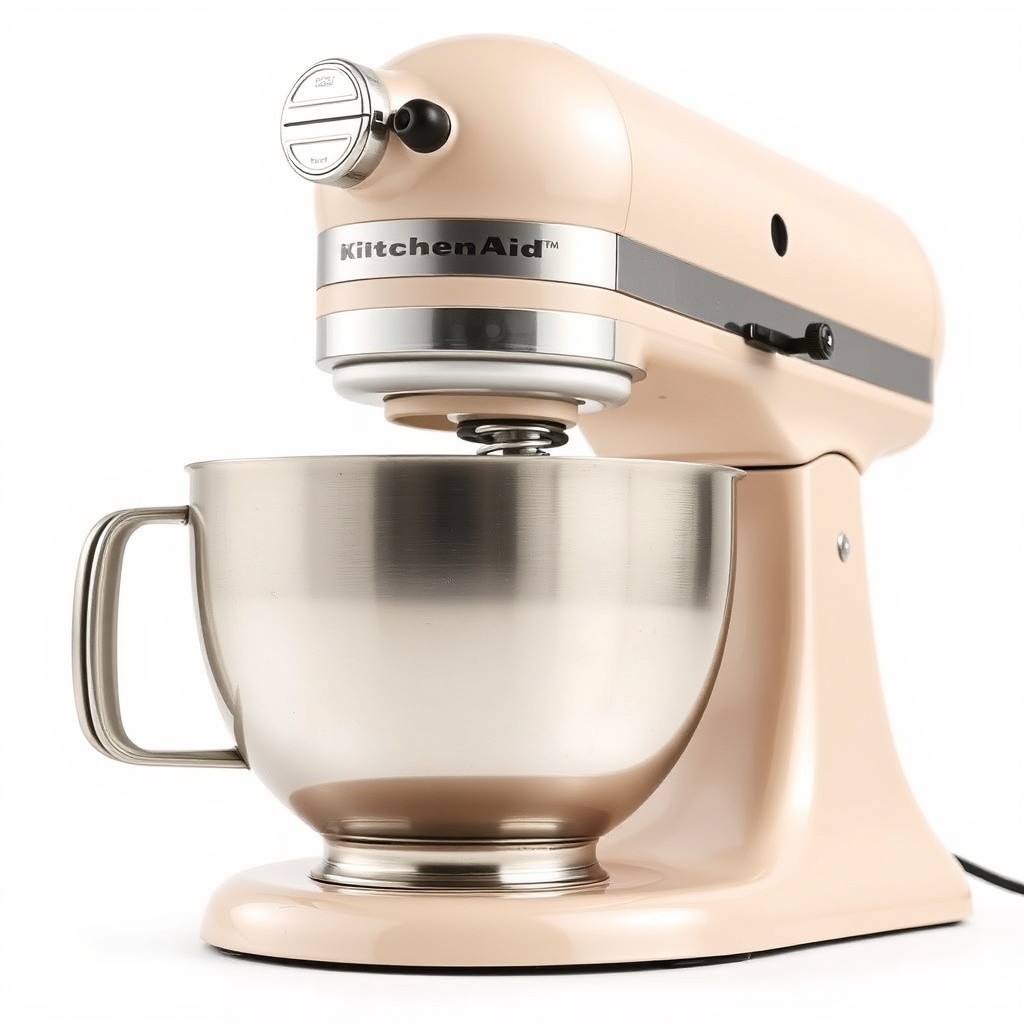
Accumulated grease, flour, and sugar can gum up the locking mechanism. Regular cleaning prevents locking issues. Start by unplugging the mixer. Remove the head cover as described earlier. Use a soft brush or compressed air to remove loose debris. Then, apply a thin layer of food-grade silicone lubricant to the latch pivot point and the spring. Avoid using WD-40, as it can attract more dust. Wipe away excess lubricant. For the bowl locking pin on the base, use a damp cloth to clean around it. If the pin is sticky, apply a drop of silicone oil. Reassemble and test the lock. This simple maintenance can solve many intermittent locking problems and should be done every six months.
- Use only food-safe lubricants.
- Do not oversaturate—less is more.
- Check the user manual for specific cleaning guidance.
What Owners Say About Lid Locking Problems
Online forums and reviews reveal that lid locking issues are among the top frustrations for KitchenAid Artisan 5 Quart owners. Many report that the problem worsens after several years of use, often due to spring wear. A common tip shared by experienced users is to apply a small amount of cable lubricant to the release button—this resolves sticky buttons in most cases. Others note that buying a replacement bowl from KitchenAid (not a third-party one) fixes wobbling issues. A few owners have successfully used a small zip tie to tighten a loose spring temporarily, but this is not a long-term fix. Overall, the majority find that replacing the latch spring or cleaning the mechanism solves the problem without professional help. For more on overall performance, check our detailed specs review.
Frequently Asked Questions
Can I use the mixer without the lid locking?
No, attempting to operate the mixer with an unlocked lid can cause the bowl to dislodge, leading to spills or injury. Always ensure the lid is locked before use.
How often should I lubricate the locking mechanism?
Every six months or sooner if you notice sticking. Use food-grade silicone lubricant.
Is it safe to repair the locking mechanism myself?
Yes, basic cleaning and lubrication are safe. For spring or latch replacement, follow the manual carefully. If you are uncomfortable, seek professional service.
Why does my lid lock but then unlock during mixing?
This usually indicates a weak spring or a worn latch. The vibration from mixing can cause the latch to disengage. Replace the spring if it’s stretched.
What is the cost to replace the latch assembly?
The part costs about $25 USD plus possible shipping. A professional repair may add $50–$80 USD for labor.
Can a bent bowl cause locking failure?
Yes, a warped bowl won’t align properly with the locking pin. Check with a metal ruler—if there’s a gap, the bowl is bent and should be replaced.
For more on troubleshooting other common issues, see our guide on not turning on. And if you’re considering a new purchase, read our complete specs and performance review.