Ninja Professional Plus BQ800 Troubleshooting: Motor Overheating – Causes and Fixes
Owners of the Ninja Professional Plus BQ800 blender occasionally encounter the machine stopping mid-blend with a burning smell or the motor housing becoming too hot to touch—a clear sign of motor overheating. This issue can stem from common usage errors or component wear, but most causes are straightforward to fix at home. In this guide, we break down what triggers heat buildup in the BQ800 motor and provide step-by-step repairs to restore safe operation.
Why Does the Ninja Professional Plus BQ800 Motor Overheat So Easily?
The motor in the BQ800 is a 1400-watt unit that can draw up to 1200 watts under load. Overheating typically occurs when the motor is forced to work harder than its thermal safety system allows. Common triggers include:
- Overfilling the 72-ounce total crushing pitcher beyond the Max line, causing blade strain and slow spinning.
- Blending thick mixtures (e.g., nut butters, frozen smoothies with whole ice cubes) without enough liquid.
- Continuous blending for longer than 60 seconds without a cool-down break.
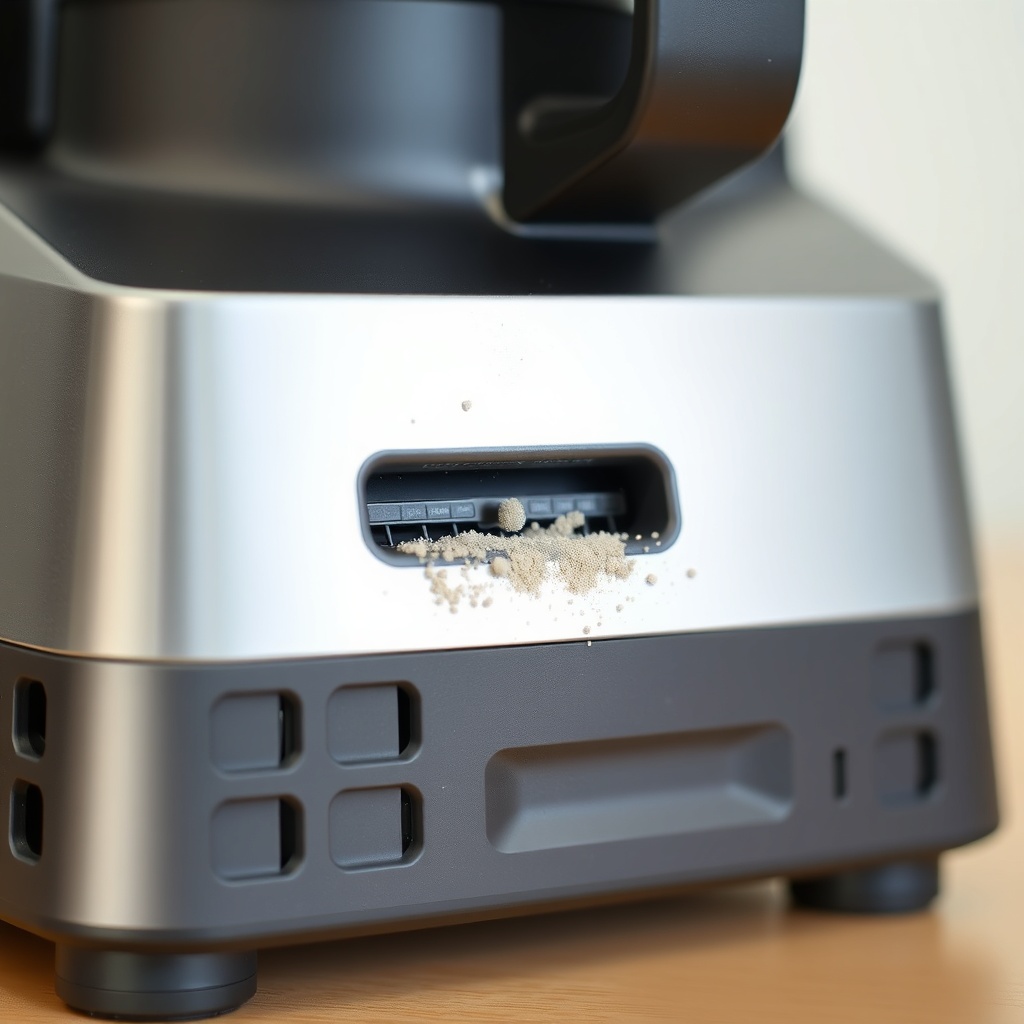
- Blocked air vents on the base, often from dust or placing the blender against a cabinet.
- Worn or misaligned drive shaft increasing friction.
If the motor thermal cutoff trips, the blender will shut off for 15–30 minutes to cool. Frequent tripping indicates a deeper issue.
How to Fix a Motor Overheating Issue on the Ninja Professional Plus BQ800?
Follow these troubleshooting steps in order. Most fixes require no tools other than a damp cloth and a soft brush.
Step 1: Check for Obstructions in Air Vents
Unplug the blender and examine the base. Use a vacuum with a brush attachment to remove dust and debris from the vents around the motor housing. A blocked vent can raise internal temperature by up to 15°C.
Step 2: Verify Load and Liquid Ratios
For thick blends, ensure at least 1.5 cups of liquid per 4 cups of solid ingredients. Overloading the BQ800 versus high-power competitors can cause the motor to stall intermittently.
Step 3: Inspect Blade Assembly and Drive Shaft
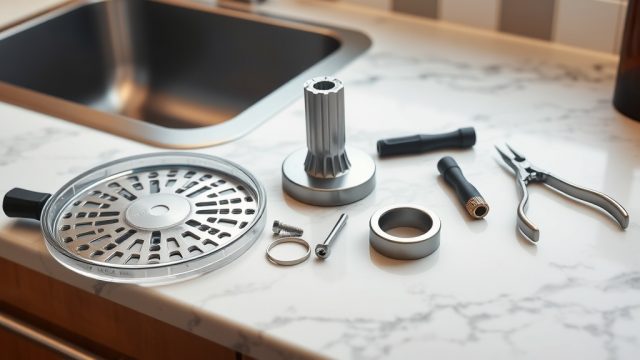
Remove the pitcher and check the blade shaft for resistance. If the blades do not spin freely, food residue may be jammed. Disassemble the blade assembly per the manual and clean thoroughly. Excess friction here is a major cause of overheating.
Step 4: Let the Motor Cool Naturally
After a thermal shutdown, unplug for at least 30 minutes. Never run cold water over the base—thermal shock can damage internal components. Resuming after cooling usually solves a one-off event.
Can a Continuous Blending Cycle Cause the Motor to Shut Off?
Yes. The Ninja Professional Plus BQ800 has a built-in thermal protector that cuts power if the motor exceeds 85°C (185°F) for more than a few seconds. This typically happens during prolonged blending beyond 60–90 seconds at high speed. To avoid:
- Use the Pulse function for crushing ice or frozen fruit rather than sustained high speed.
- Blend for 45 seconds, then pause for 10 seconds before continuing.
- If you need to blend thick nut butters or doughs, break the task into batches.
If the motor still shuts off after these adjustments, the issue may be electrical—refer to Ninja Professional Plus BQ800 Troubleshooting: No Power – Fixes and Tips for wiring checks.
| Severity | Symptoms | Action Needed |
|---|---|---|
| Mild | Base warm but not hot; blender runs normally | Clean vents, reduce batch size |
| Moderate | Motor stops after 30–45 seconds; strong odor | Check blade friction, cool down for 30 min |
| Severe | Motor shuts off immediately; cannot restart for hours; burning plastic smell | Seek professional repair; check for shorted windings |
How to Tell if the Motor Thermal Fuse Has Blown?
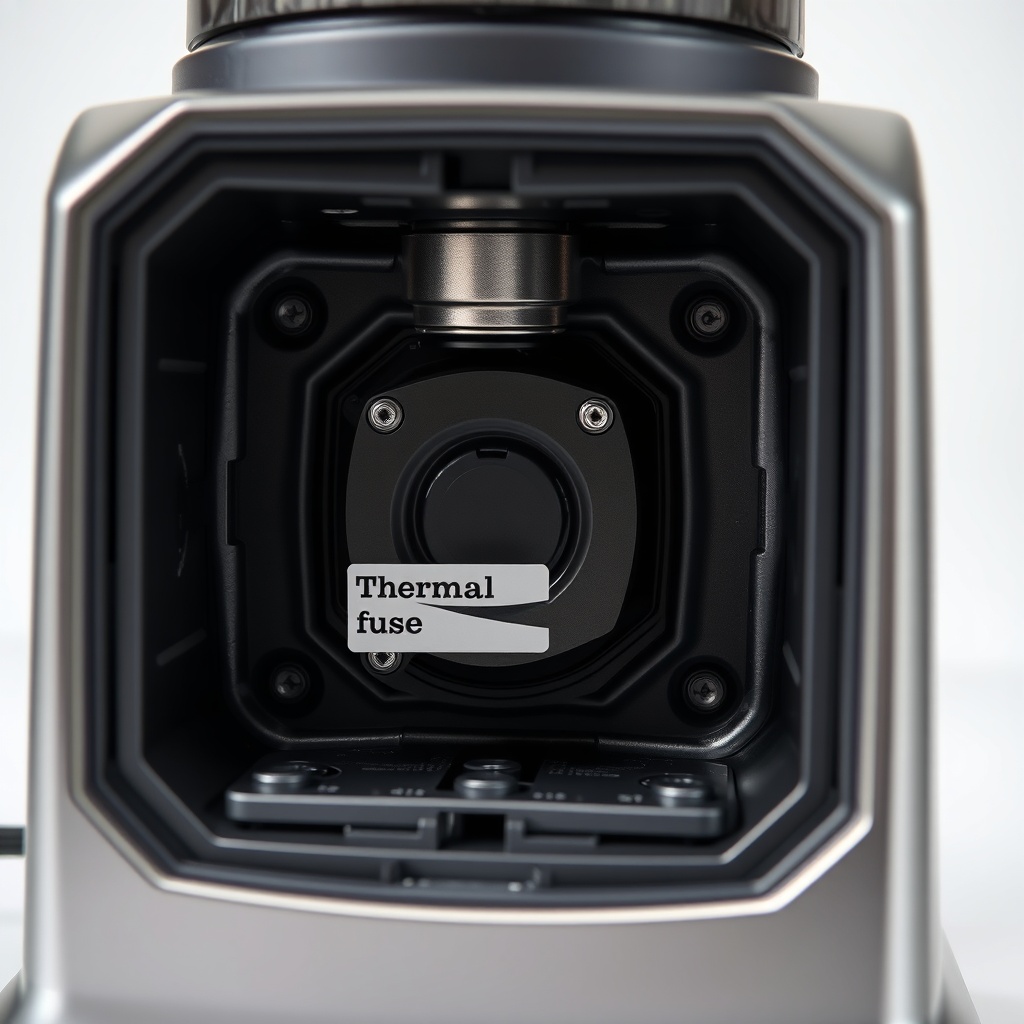
The thermal fuse is a non-resettable component inside the motor housing. If the motor will not run even after a full cool-down period, the fuse may have blown. Signs include:
- Blender does not power on at all (no lights or sounds).
- No resistance when testing internal continuity with a multimeter.
- Visible burn marks on the base circuit board near the fuse.
Replacing a blown thermal fuse requires opening the base—a moderately advanced repair. If you are not comfortable, a local small-appliance shop can do it for $25–40. For more guidance on electrical troubleshooting, see Ninja Professional Plus BQ800 Troubleshooting: No Power – Fixes and Tips.
Does the BQ800’s Detachable Pitcher Cause Overheating?
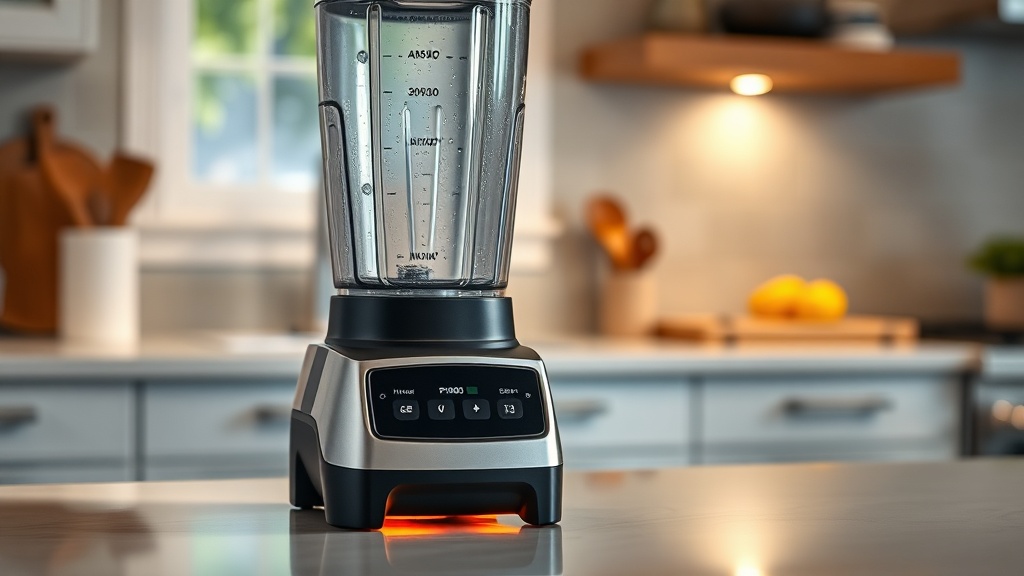
While the pitcher design itself is not a direct cause, an improperly seated pitcher can create misalignment between the blades and the drive shaft, increasing friction. Ensure the pitcher clicks firmly into place before blending. Warped or cracked pitcher bases should be replaced—they can cause the blade assembly to wobble at high speed, straining the motor. This issue is less common but worth checking if overheating occurs only with a specific pitcher.
What Owners Say About the BQ800 Motor Overheating?
User feedback on forums and retail sites highlights mixed experiences. Many report initial overheating when first using the blender for thick smoothies or nut butters, but that cleaning the vents and following the 60-second rule resolves it. Others mention that the motor can handle heavy loads better than the previous Ninja 1100-watt models. However, some owners note that after 12–18 months of heavy daily use, the motor may develop a persistent overheating tendency—often requiring internal thermal fuse replacement. Overall, the BQ800 is praised for its power when used correctly, but users caution against ignoring early warning signs.
Frequently Asked Questions
1. How long should I let the BQ800 cool down after overheating?
Allow at least 30 minutes of unplugged cool-down time. For severe overheating, wait a full hour before attempting to restart.
2. Will the BQ800 motor overheat if I blend hot liquids?
The BQ800 is not designed for hot liquids—temperatures above 65°C (150°F) can damage the pitcher and motor housing. Always let soups or sauces cool before blending.
3. Can a dirty blade assembly cause the motor to overheat?
Absolutely. Food residue that becomes hard between the blades and the shaft increases friction, forcing the motor to draw more current and heat up faster. Clean the blade assembly after every use.
4. Does covering the blender lid reduce airflow and cause overheating?
No, the lid is designed to allow some air escape while blending. However, do not block the base vents with a towel or cloth—this can trap heat inside the motor.
5. How do I troubleshoot a motor that stops but the base is cool to touch?
If the base feels cold but the motor stopped, it may be a different issue—check the thermal fuse or power supply. See the no power guide.
6. Can I use the BQ800 to crush ice continuously without overheating?
Yes, but in short bursts. Crush ice for no more than 15 seconds at a time, with 30-second pauses in between. For large batches, use the Pulse function.