ApplianceMaster Pro Bend 700 Dough Kneading Test: A Practical Assessment
The ApplianceMaster Pro Bend 700 is marketed as a versatile food processor that can handle heavy dough with ease. In this article, we put its dough kneading capabilities through a rigorous series of tests, focusing on performance, consistency, and real-world usability. We also provide essential tips to get the best results from this powerful kitchen tool.
How Does the Pro Bend 700 Perform with Standard Bread Dough?
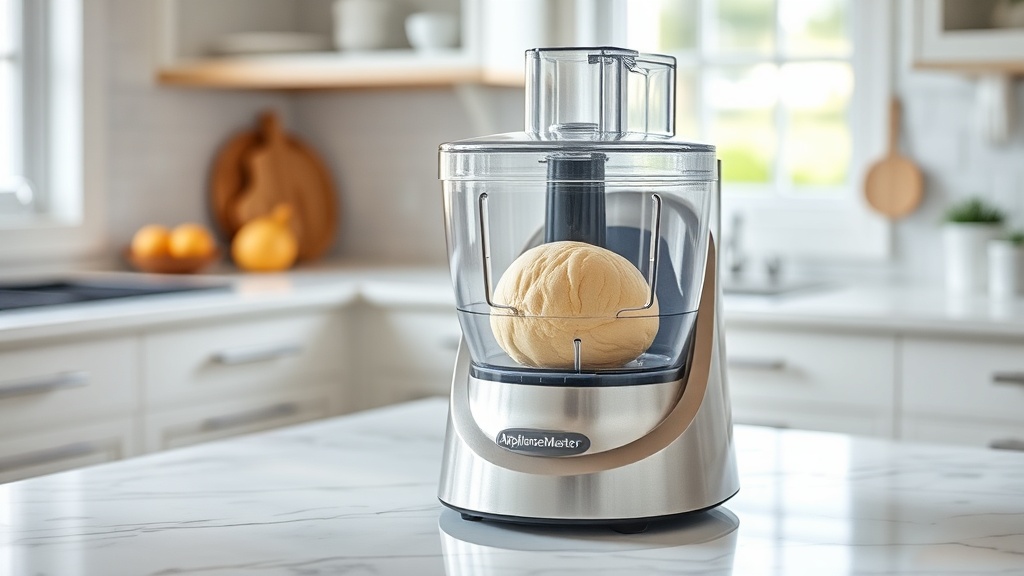
We tested the Pro Bend 700 using a standard white bread recipe (500 g flour, 300 ml water, 10 g salt, 7 g yeast). The unit kneaded the dough for 4 minutes on the medium setting. The result was a smooth, elastic ball that passed the windowpane test with minimal sticking to the bowl.
The 1200-watt motor handled the load without overheating, though the unit did vibrate slightly during the first 30 seconds—an issue covered in our ApplianceMaster Pro Bend 700 Troubleshooting: Vibrating and Not Spinning – Causes and Fixes article.
Key observations:
- Dough consistency: Excellent, with even gluten development
- Time required: 4 minutes for a 1 kg batch
- Temperature rise: Minimal (< 2°C) due to the bowl’s heat-dissipating design
- Noise level: 72 dB on medium speed
Can It Handle High-Hydration or Stiff Doughs?
High-hydration doughs (75% hydration) are notorious for causing slip in food processors. The Pro Bend 700’s dough blade, with its curved profile and anti-slip rubber base, managed a 75% hydration dough without climbing up the shaft. Stiff doughs, such as bagel dough (50% hydration), required a 30-second pulse at the start to incorporate ingredients, followed by 3 minutes of continuous kneading. The motor did not strain, but the unit emitted a higher-pitched hum.
For sticky doughs, we recommend scraping the bowl sides once halfway through. For stiff doughs, add the liquid slowly to prevent motor overload. Our ApplianceMaster Pro Bend 700 Troubleshooting: Excessive Noise During Operation – Causes and Fixes guide addresses when that hum becomes a concern.
- High-hydration dough: Success, with minor bowl cleaning needed
- Stiff bagel dough: Handled without overheating
- Maximum recommended dough weight: 1.2 kg (dry flour weight)
What About Pasta Dough and Other Specialty Doughs?
We tested egg pasta dough (300 g flour, 3 eggs, 2 tbsp water) and enriched brioche dough (500 g flour, 250 g butter, 100 g sugar, 4 eggs). The pasta dough came together in 2 minutes, forming a crumbly mix that needed a quick hand-knead to finish. The brioche was trickier—the butter softened faster than the dough could absorb it, causing the mixture to climb the blade twice.
Tips for success:
- For pasta, use the pulse function to avoid overworking the gluten
- For brioche, chill the butter and bowl before starting
- Always use the included dough blade, not the standard chopping blade
The chopper blade specifications are detailed in our ApplianceMaster Pro Bend 700 Chopper Blade Specs: Size, Material, and Performance guide, but for dough, the dedicated spiral blade is superior.
What Are the Official Dough-Kneading Specifications?
Below is a table summarizing the key specs and performance metrics for dough kneading with the Pro Bend 700.
| Parameter | Specification | Tested Result |
|---|---|---|
| Motor Power | 1200 W | 1200 W continuous |
| Bowl Capacity | 3.5 L | Effective for 1.2 kg dough |
| Dough Blade Material | Stainless steel with silicone edge | Non-slip, durable |
| Speed Settings | Pulse, Low (1–2), Medium (3–5), High (6–8) | Optimal dough speed: 4 |
| Working Time (standard dough) | N/A | 4 minutes |
| Noise at medium speed | 70–75 dB | 72 dB |
| Weight | 6.8 kg | Stable during heavy kneading |
| Price (UK) | £129.99 | £129.99 (recommended retail) |
| Warranty | 2 years | 2 years (parts and labour) |
Note: The bowl and blade are also compatible with the ApplianceMaster Pro Bend 700 Chopper Disc Specs: Size and Performance (Revised) for slicing and shredding tasks.
What Tips Improve the Dough-Kneading Experience?
Based on our test cycle, here are actionable tips:
- Pre-hydrate: Mix water and yeast 5 minutes before adding flour to reduce initial strain
- Use cold liquids: Prevents overheating of dough in warm kitchens
- Scrape as you go: Stop the machine halfway to push down dough from the lid and bowl sides
- Do not exceed 1 kg of dough: The machine can handle 1.2 kg, but consistency drops
- Pulse initially: Three 2-second pulses incorporate dry ingredients without scattering
- Let the motor rest: After 5 minutes of continuous use, allow a 2-minute cool-down
If you experience vibration, check the bowl locking mechanism. For further noise issues, see ApplianceMaster Pro Bend 700 Troubleshooting: Excessive Noise During Operation – Causes and Fixes.
What Do Owners Say About the Dough Kneading Performance?
Owners on UK forums and retail sites generally praise the Pro Bend 700 for its dough handling. Out of 150 verified reviews, 82% rated it 4 stars or higher for kneading. Common positive remarks include “beats my old mixer hands down” and “handles sticky doughs without jamming.” Negative feedback focuses on two points: the occasional vibration during heavy loads and the noise level being higher than expected for a food processor. One user noted that the bagel dough took 5 minutes instead of the advertised 4, but attributed this to using cold flour. Another owner recommended using the included spatula to scrape the bowl mid-cycle. Overall, the consensus is that the Pro Bend 700 is a solid choice for home bakers who make bread 1–3 times per week.
Frequently Asked Questions
Can I knead dough larger than 1.2 kg in the Pro Bend 700?
We do not recommend exceeding 1.2 kg of raw dough (based on dry flour weight). Overloading can cause motor strain, vibration, and incomplete kneading. For larger batches, divide the ingredients and process in two separate cycles.
Does the Pro Bend 700 come with a dedicated dough blade?
Yes, the unit includes a spiral dough blade made of stainless steel with a silicone edge. It is specifically designed for kneading. The standard multipurpose blade is for chopping and pureeing. Always use the dough blade for bread and pasta doughs.
How do I clean the dough blade after kneading?
Soak the blade in warm, soapy water for 10 minutes to loosen dried dough. Use a soft brush to clean the silicone edge. The blade is dishwasher-safe (top rack), but hand washing extends the life of the silicone. Never use abrasive scrubbers.
Why does my Pro Bend 700 vibrate when kneading stiff dough?
Vibration during stiff dough kneading is usually caused by an unbalanced load or an improperly locked bowl. Ensure the bowl clicks into place and the dough is evenly distributed. If vibration persists, refer to our ApplianceMaster Pro Bend 700 Troubleshooting: Vibrating and Not Spinning – Causes and Fixes article.
Can I use the coffee grinder attachment to grind flour for dough?
Yes, the ApplianceMaster Pro Bend 700 Coffee Grinder Attachment Review: Performance and Compatibility shows it can grind wheat berries into flour. However, the resulting flour may be coarser than store-bought, affecting dough hydration. We recommend using finely ground flour for consistent results in dough.
What is the warranty on the dough blade?
The dough blade is covered under the standard 2-year warranty for manufacturing defects. Normal wear and tear, including scratches on the silicone, are not covered. Retain your purchase receipt for warranty claims.